AI Marketing Automation: How to Automate Lead Follow-Ups
Learn how to connect lead capture, qualification, CRM updates, and follow-ups with AI while respecting consent and measuring real business outcomes.
AI & automation · 5 min read · Kriyvo journal

In this article
What is AI marketing automation?
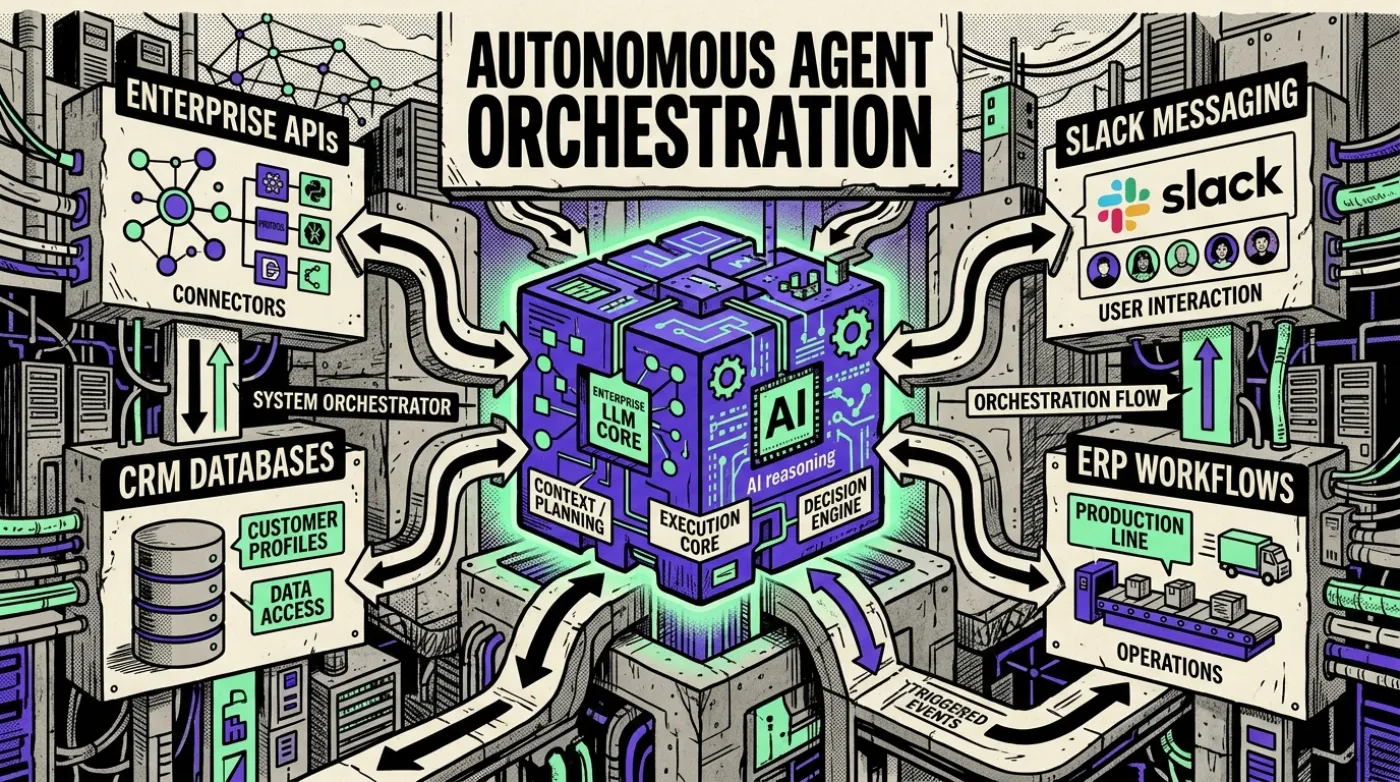
AI marketing automation combines marketing workflows with AI features that help interpret enquiries, summarize customer needs, prepare content, or route leads. It can connect website forms, CRM systems, email or messaging platforms, and reporting tools.
The goal is not to send as many messages as possible. It is to respond appropriately, keep records organized, and help the right team member follow up with people who have shown relevant interest.
A practical lead follow-up workflow
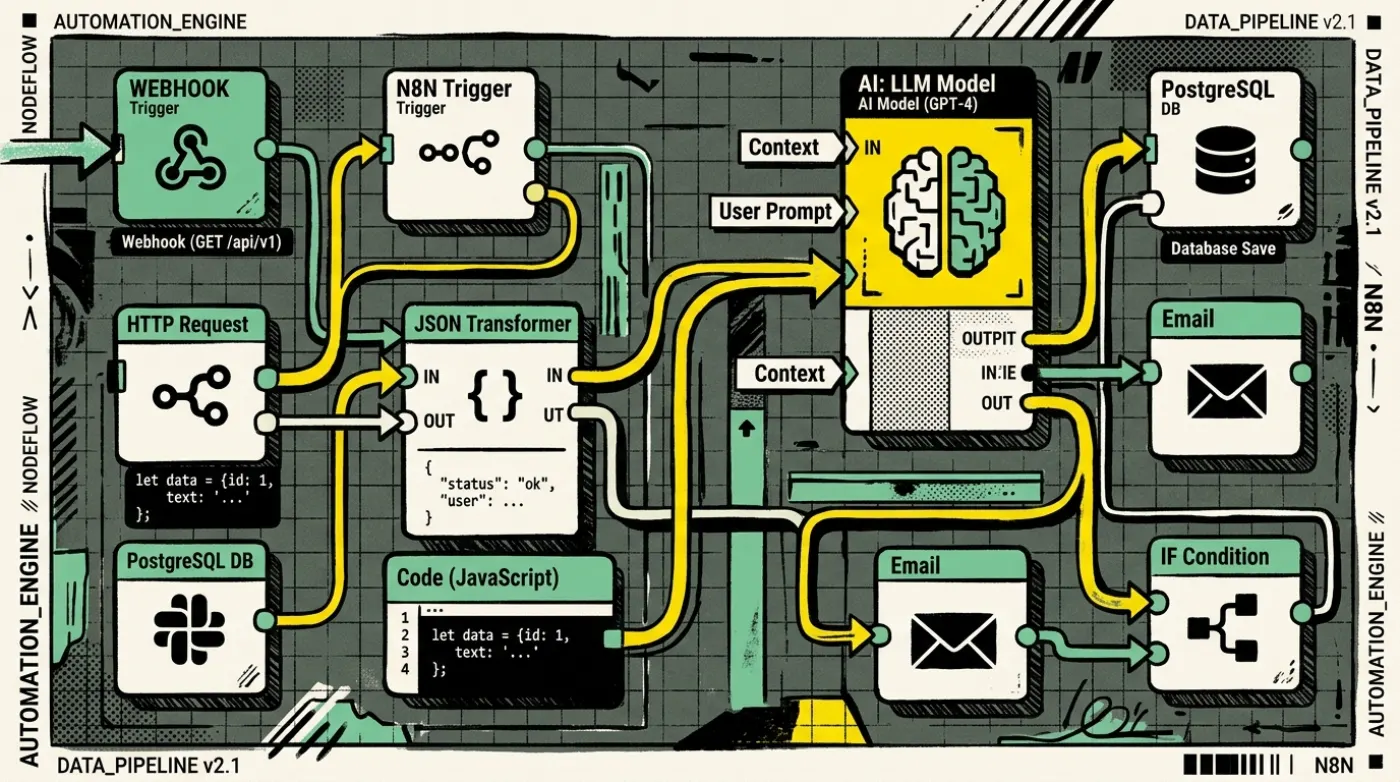
Imagine a customer fills in a form asking about a service.
Step 1: Capture the enquiry — Collect the fields necessary to respond, such as name, contact details, requested service, and message. Explain how the information will be used and capture any required communication preferences.
Step 2: Validate and deduplicate — Check required fields, normalize contact details, and detect likely duplicates. Keep the original submission for auditing where appropriate, and avoid creating multiple leads for the same enquiry.
Step 3: Understand the request — AI can summarize the message, extract the requested service, and classify the enquiry into predefined categories. Require structured output and validate it before it affects routing.
Step 4: Route the lead — Use explicit business rules to assign the enquiry to the appropriate team. The model may suggest a category, but rules should enforce territory, capacity, ownership, and other operational constraints.
Step 5: Send an appropriate response — A confirmation may acknowledge receipt and explain the next step. Promotional follow-up should be sent only where the required permission and platform rules allow it. Keep messages truthful and avoid unsupported promises.
Step 6: Create a task and monitor progress — If a human needs to follow up, create a CRM task and notify the assigned person. Track whether the lead was contacted and whether the next step was completed.
Where AI can help
- Message summaries: Give a salesperson the key details without making them reread a long conversation.
- Enquiry classification: Identify which service or team may be relevant.
- Draft creation: Prepare a response for review using approved service information.
- Data extraction: Turn free-text requirements into structured fields.
- Reporting: Summarize common questions or lead sources for a marketing review.
Use deterministic logic for consent checks, suppression lists, permissions, and other conditions that must not be guessed.
Personalization without being intrusive
Useful personalization reflects information the person has provided in the current context. For example, a response can mention the service they asked about or refer to the meeting they booked.
Avoid using sensitive or unexpected personal inferences. Do not pretend a message was individually written by a human if it was automatically generated. Make it easy to contact a real person and to change communication preferences.
Consent and channel rules
The requirements differ by channel and jurisdiction. Review applicable privacy laws, email rules, messaging-platform policies, and the terms of the tools you use.
Before launching a campaign:
- Confirm that the intended contact method and purpose are permitted
- Record the source and scope of consent where required
- Check suppression and opt-out status before each send
- Use the correct message type and approved templates where required
- Avoid uploading lists of uncertain origin or permission
- Process opt-out requests promptly
- Monitor complaints, failed delivery, and engagement quality.
Do not assume an old customer list can automatically be used for a new promotional campaign. Previous transactions do not necessarily establish permission for every channel or purpose.
How to measure performance
Track the full journey rather than focusing on opens or clicks alone.
- Valid lead rate: How many submissions contain usable information
- First response time: How quickly the business acknowledges an enquiry
- Contact rate: Whether the team successfully reaches leads
- Qualification completion: Whether the required details are collected
- Meeting or quote rate: Whether the enquiry progresses
- Conversion rate: Whether qualified opportunities become customers
- Opt-out and complaint rate: Whether communication is unwanted or poorly targeted
- Cost per qualified lead: How much it costs to generate a useful opportunity
- Workflow error rate: How often the automation needs intervention
Use a consistent measurement period and compare results with a baseline. Do not attribute all changes to automation if advertising spend, seasonality, or sales processes changed at the same time.
Common mistakes
- Automating follow-ups before fixing lead quality.
- Sending the same generic message to every contact.
- Treating AI-generated scores as objective truth.
- Ignoring opt-outs or channel restrictions.
- Letting AI invent discounts, prices, or service promises.
- Measuring message volume instead of business outcomes.
- Failing to assign ownership for leads that need human follow-up.
A simple 30-day pilot
Week 1: Map the lead journey, confirm permissions, and define success metrics.
Week 2: Build a small workflow for one lead source and test validation, deduplication, routing, and logging.
Week 3: Run the workflow with appropriate human review. Collect examples of correct classifications and errors.
Week 4: Compare results with the original process, review complaints and failures, and decide whether to expand, change, or stop the pilot.
Conclusion
AI marketing automation works best when it improves the quality and timing of relevant communication. Start with clean data, explicit permission rules, reliable routing, and measurable follow-up. Add AI only where it makes the process more useful.
Next step: Map what happens from the moment a lead submits a form to the moment a sales representative follows up.
Suggested CTA: Plan a lead follow-up automation workflow with Kriyvo AI.
Need this built? AI automation engineering
Connect business processes, APIs and AI where they add value — from lead processing and feedback routing to reporting.
See the serviceWritten for the Kriyvo journal. Product claims reported by third-party sources are not independent Kriyvo AI benchmarks.