Meta Muse Wonder and Wonder Full: Features, Access, and What Developers Should Know
Explore Meta Muse Wonder and Wonder Full, including Active Memory, Active Focus, developer access, agentic use cases, and unanswered questions.
AI perspectives · 5 min read · Kriyvo journal
In this article
Introduction
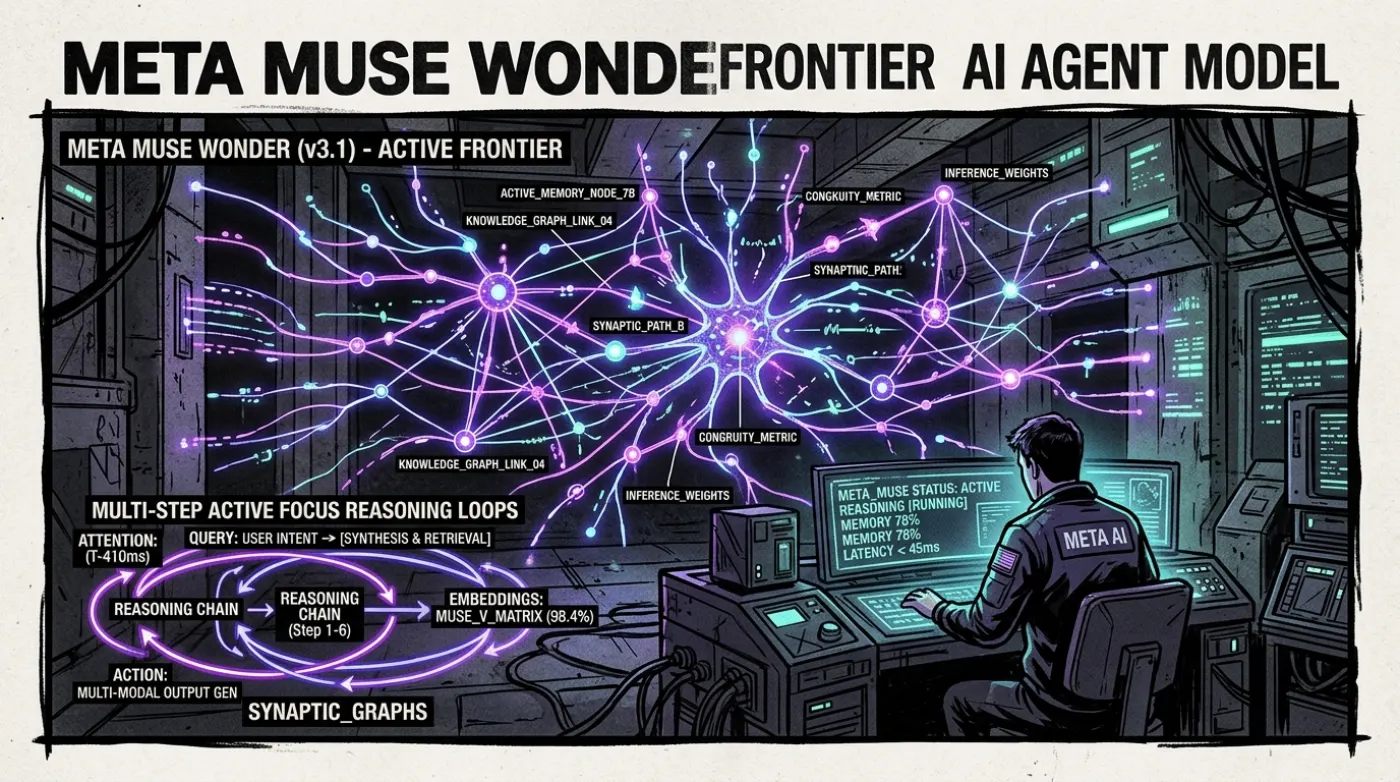
Meta Muse Wonder architecture: Active Memory network & Active Focus reasoning loops
The most relevant news articles and launch reviews grouped by what they help you understand.
Covers availability, pricing, industry use cases, and Google's competitive position.
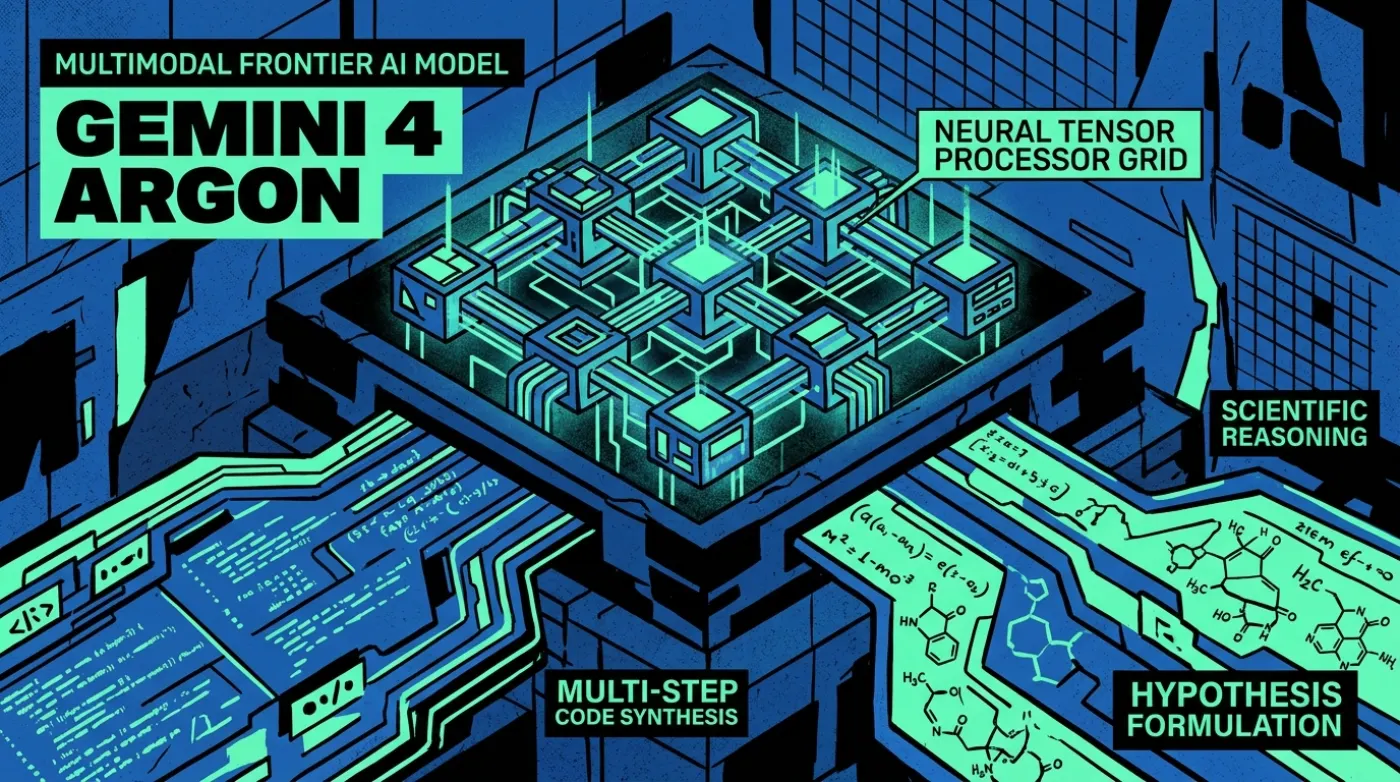
Frames the release as Google's attempt to return to the leading edge of frontier AI and examines its claims against rival models.
Tests practical tasks involving website creation, videos, data analysis, and documents. The author reports useful outputs but also an unsupported claim in a launch summary, making this a relevant counterpoint to purely promotional coverage.
Real user discussions and community post titles comparing practical performance, benchmarks, and quota limitations.
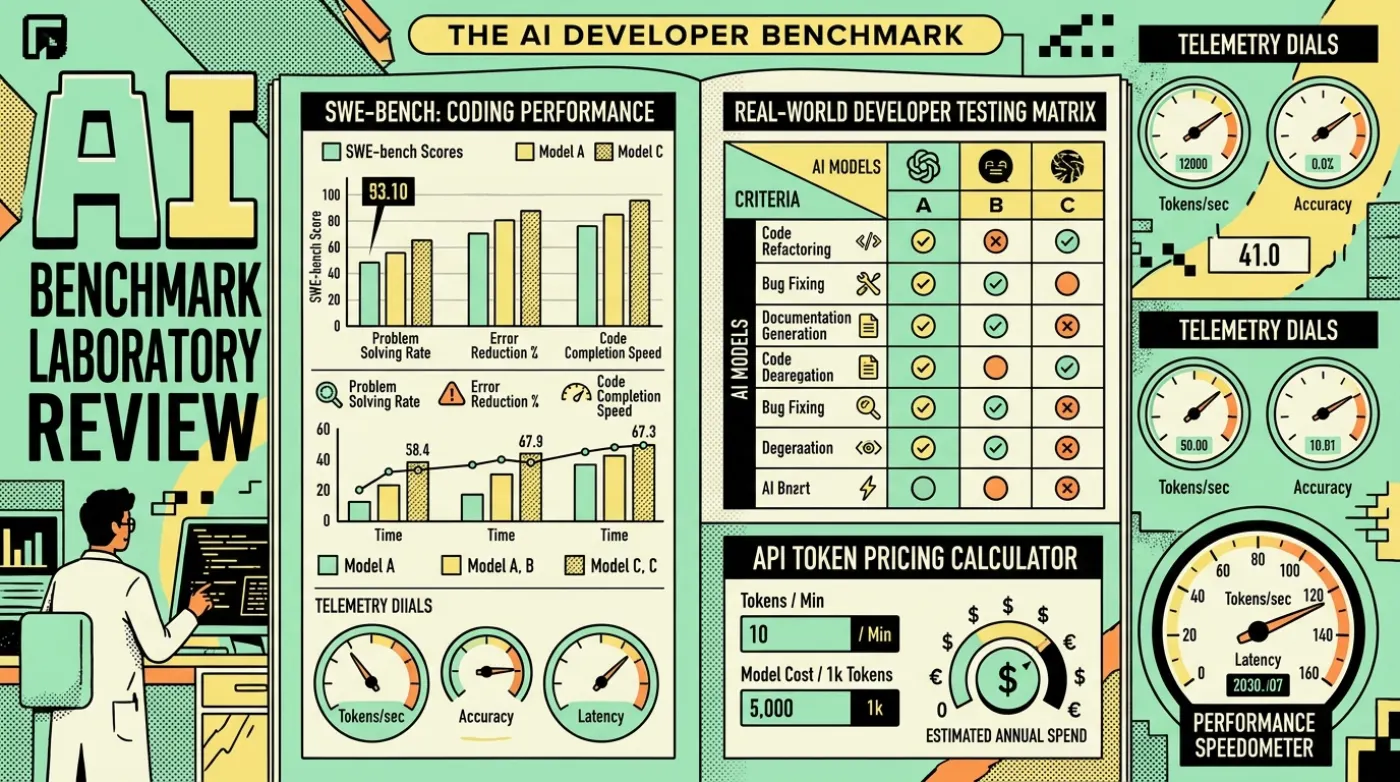
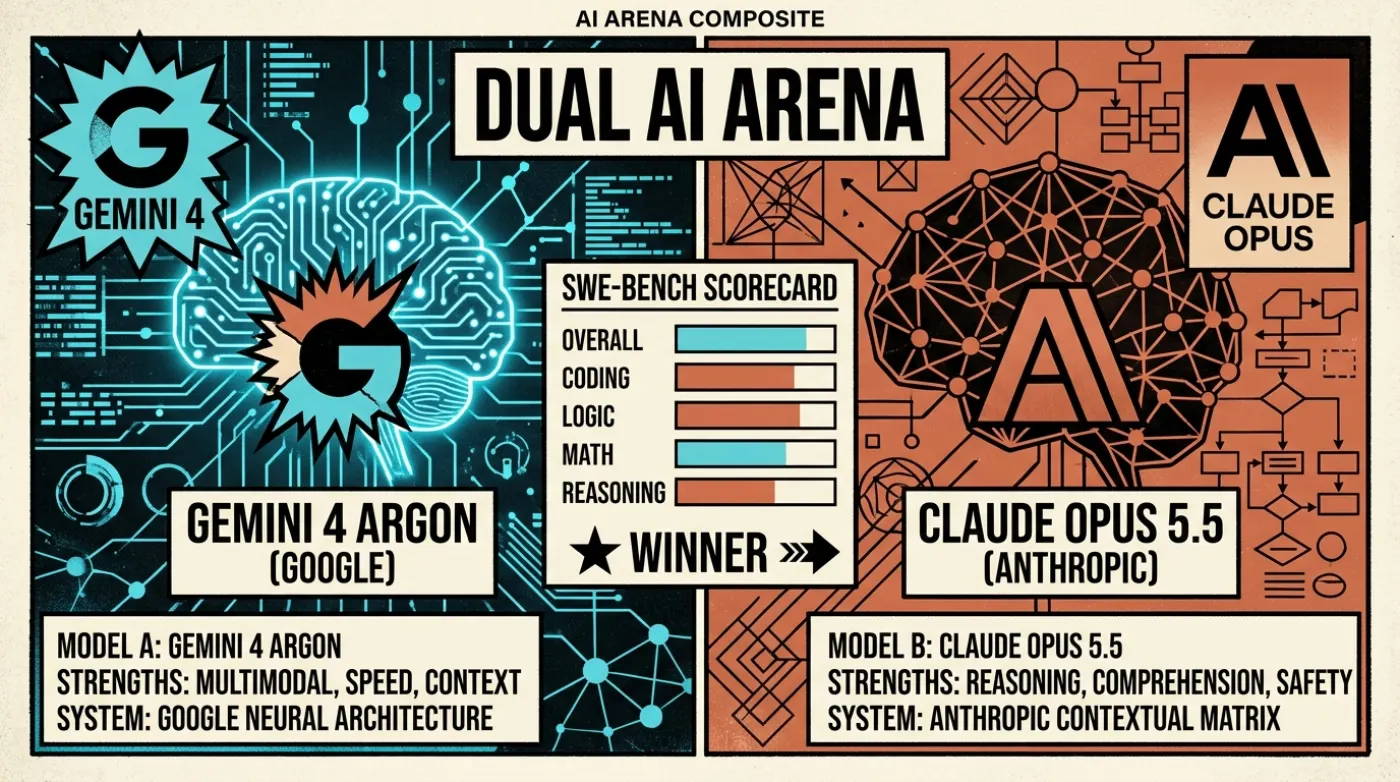
The author tested Argon against Claude Opus 5.5 on a real feature for a production Python backend. A GPT-6 Astra judge scored the two plans 59/100 for Argon versus 77/100 for Opus 5.5. The author cautioned that more testing was needed and questioned context compaction speed.
The main community discussion is mixed. One commenter praised Argon's clear, logically structured answers and said they would use it for non-coding work. Others questioned its coding performance, total cost per task, and whether official benchmark wins translate into practical results.
An early Ultra subscriber described promising Blender 3D scripting and complex HTML results, comparing them favorably with Opus 5.5. Replies were more cautious, pointing to independent benchmark standings and average performance.
On October 12, 2026, Meta announced its latest frontier model family: Muse Wonder and Muse Wonder Full. Positioned squarely for personal and professional agentic tasks, Meta's release moves beyond static prompt-response chatbots into autonomous systems that maintain long-term memory across sessions and persist through complex multi-step objectives.
Meta highlights two signature architectural capabilities in the launch announcement: Active Memory (the ability to carry forward relevant context, project rules, and user preferences across separate conversations) and Active Focus (the capability to autonomously work toward multi-hour goals, test alternatives when hitting roadblocks, and request confirmation before taking irreversible actions).
Muse Wonder is rolling out to developers through the Meta Model API and Muse Code, while the flagship Muse Wonder Full model is offered to Muse Code enterprise subscribers. Below is an in-depth technical analysis of its features, developer access, and unanswered privacy questions.
Understanding Active Memory: Persistent context in plain language
One of the biggest pain points in today's AI agent workflows is context loss: when a session ends or hits its token ceiling, the model forgets architectural decisions, user preferences, and previous bugs. Developers often build complex external vector databases or retrieval-augmented generation (RAG) pipelines to bridge this gap.
Active Memory internalizes this pattern directly within Meta's model layer. Rather than treating each API call as isolated or relying solely on manual prompt injection, Muse Wonder maintains an indexed semantic layer of prior interactions:
- Cross-Conversation Retention: Remembers user coding conventions, preferred libraries, repository quirks, and ongoing project status without needing them re-pasted in every prompt.
- Selective Memory Consolidation: Periodically summarizes and prunes transient noise while preserving durable knowledge (such as schema definitions, deployment endpoints, and security policies).
- User-Controlled Memory Inspection: Meta states users can inspect, edit, or delete items stored in their Active Memory profile via privacy settings.
Understanding Active Focus: Autonomous persistence, retries, and guardrails
While Active Memory provides historical continuity, Active Focus governs how the model executes long-horizon tasks. Meta describes it as a combination of three behavioral mechanisms:
1. Goal Persistence: The agent tracks progress against a multi-step objective, ensuring it does not lose sight of acceptance criteria when diving deep into subroutines.
2. Autonomous Error Recovery: When a shell command fails, a unit test throws an exception, or an API call returns a 429 status code, Active Focus tests alternative solutions rather than abruptly halting.
3. Human Confirmation Guardrails: For high-impact actions—such as sending client communications, purchasing services, running database migrations, or deleting production resources—the agent pauses to solicit human confirmation.
How Active Memory and Active Focus power multi-turn agents
Muse Wonder queries its persistent context memory layer across prior conversation sessions to surface user preferences, recurring schemas, and project constraints.
{ "user_context_keys": ["workspace", "active_project"], "recall": 0.94 }
Muse Wonder vs Muse Wonder Full at a glance
Meta is offering two distinct tiers within the Muse Wonder lineup. The table below outlines documented capabilities, target use cases, and distribution channels:
Developer access: Meta Model API & Muse Code
Developers can access Muse Wonder through two primary pathways:
1. Meta Model API: Available to registered enterprise developers through Meta for Developers console. The API supports standard OpenAI-compatible endpoints with custom headers for x-meta-active-memory session binding and tool execution.
2. Muse Code Environment: Meta's native agentic development environment, providing an IDE companion that interfaces directly with local terminals, git repositories, and project dependency trees.
Privacy, data governance, and unanswered questions
Because Active Memory retains context across conversations, enterprise security teams must evaluate key governance questions:
• Data Retention & Deletion: What are the exact retention windows for memory embeddings? Does deleting a conversation purge associated memory vectors immediately?
• Training Boundaries: Meta's announcement emphasizes user controls, but enterprise teams will need explicit contractual guarantees that proprietary memory embeddings are excluded from foundation model pre-training.
• Safety Evaluation Timing: Meta indicated that a comprehensive third-party safety and red-teaming report would follow in coming weeks.
Need this built? AI chatbot for your website
A website assistant that answers from your approved content, captures enquiries and hands conversations over to your team.
See the serviceWritten for the Kriyvo journal. Product claims reported by third-party sources are not independent Kriyvo AI benchmarks.